

About
BreathTec is a digital, online management programme to help people who are affected by breathlessness. It may be that you have a lung problem or a heart problem.
You can use BreathTec on your computer, tablet or mobile phone at any time. The aim of the programme is to help you improve your breathing, improve your fitness and get on with life.
BreathTec is not just a website: it is a programme of management advice designed specially to help people who are struggling with their breathlessness. It deals with the physical limitations, as well as the anxiety and low mood that breathlessness can cause.
The programme builds on extensive research and has been shown to improve physical fitness, quality of life and mental wellbeing, and may even reduce hospital admissions.
The course is completely confidential, interactive and personalised to your needs.
Who created BreathTec
BreathTec was developed over a number of years by Dr Karen Heslop-Marshall and Dr Graham Burns, internationally recognised experts in their field.
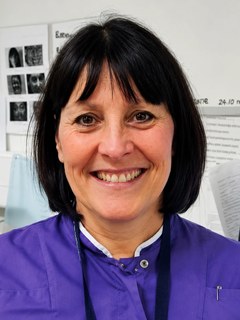
Dr Karen Heslop-Marshall
Nurse Consultant and cognitive behavioural therapist. Co-founder of BreathTec.
Karen has worked in the Chest Clinic in Newcastle upon Tyne for over 30 years, specialising in the psychological impact of respiratory disease. Her National Institute for Health Research PhD was the largest randomised controlled trial of CBT for people with COPD who experience anxiety and depression: CBT delivered by respiratory nurses improved anxiety and reduced A&E attendances and hospital admissions. She has represented nurses on national guideline groups and British Thoracic Society committees.
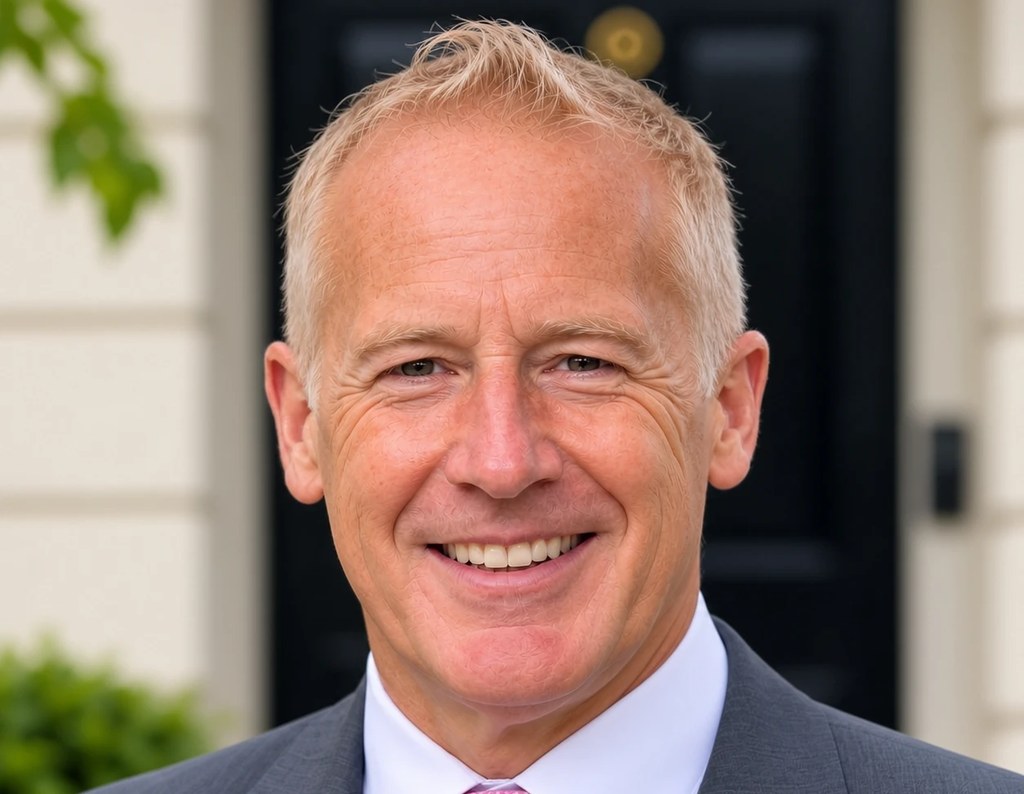
Dr Graham Burns
Consultant in Respiratory Medicine. Co-founder of BreathTec.
Graham was appointed consultant in Respiratory Medicine and Honorary Senior Lecturer at the Royal Victoria Infirmary and Newcastle University in 2002. His clinical work has principally been in COPD and asthma, including severe asthma, and he has held national advisory roles with the Department of Health and NHS England. Working with Karen, he made brief psychological assessment a routine part of the COPD and asthma clinics, a practice now supported in national guidelines.